

Contact Us

KLSMC

Radiology

Introduction

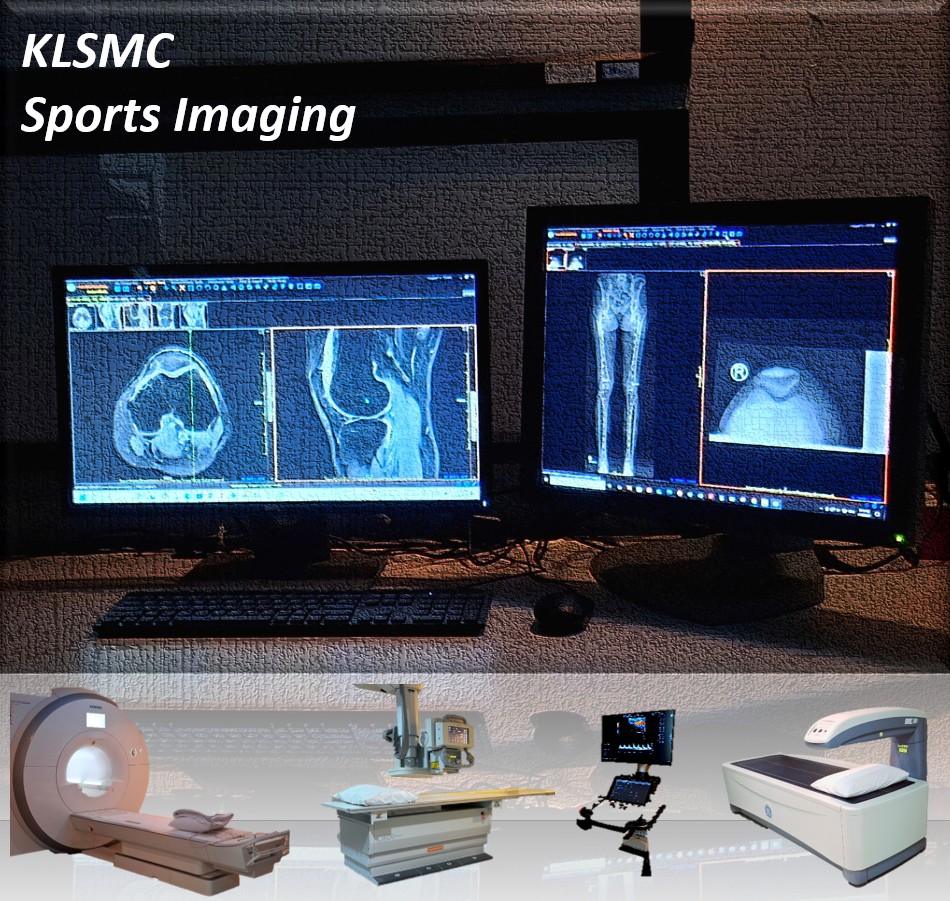
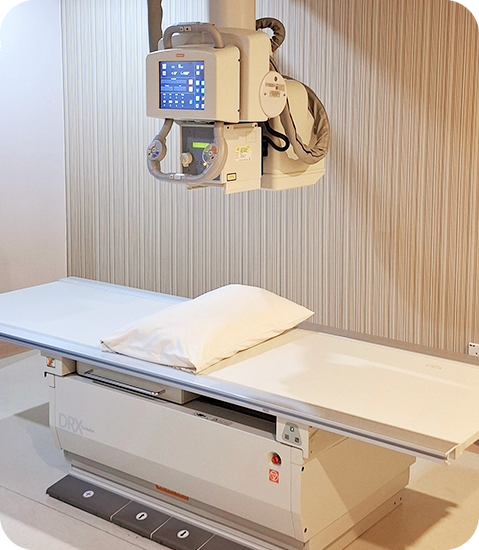
Sports Imaging at KLSMC provides in-house radiology services. The department is equipped with DR Digital X-Ray system, Bone Mass Densitometry (DXA), Ultrasound and MRI systems. All examinations are archived on a web-based Picture Archiving and Communication System (PACS). This allows comparison with earlier examinations, tele-reporting and obtaining second opinions.

Radiology

Radiology Services Offered

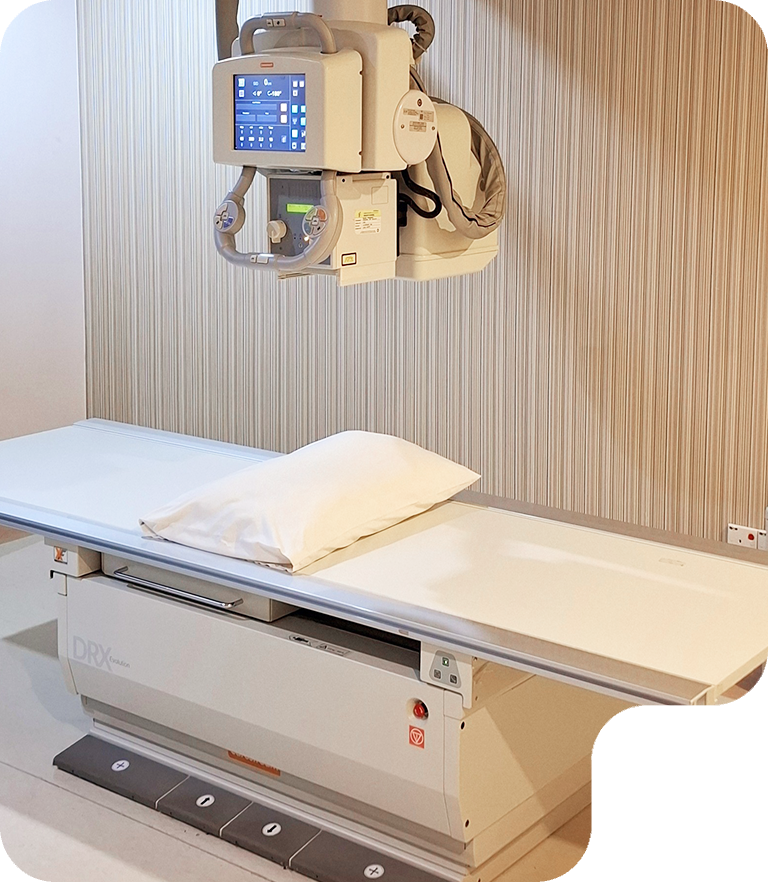
Radiographs or ‘X Rays’ play a key role in the diagnosis of musculoskeletal abnormalities and injuries. Digital Radiography (DR) obtains high quality images at lower radiation doses.

MRI

Magnetic Resonance Imaging (MRI) provides detailed images using a powerful magnet and radio waves without the use of ionizing radiation.   Our high-field 3-Tesla MRI scanner excels at visualizing soft tissue injuries, joint and spinal problems.
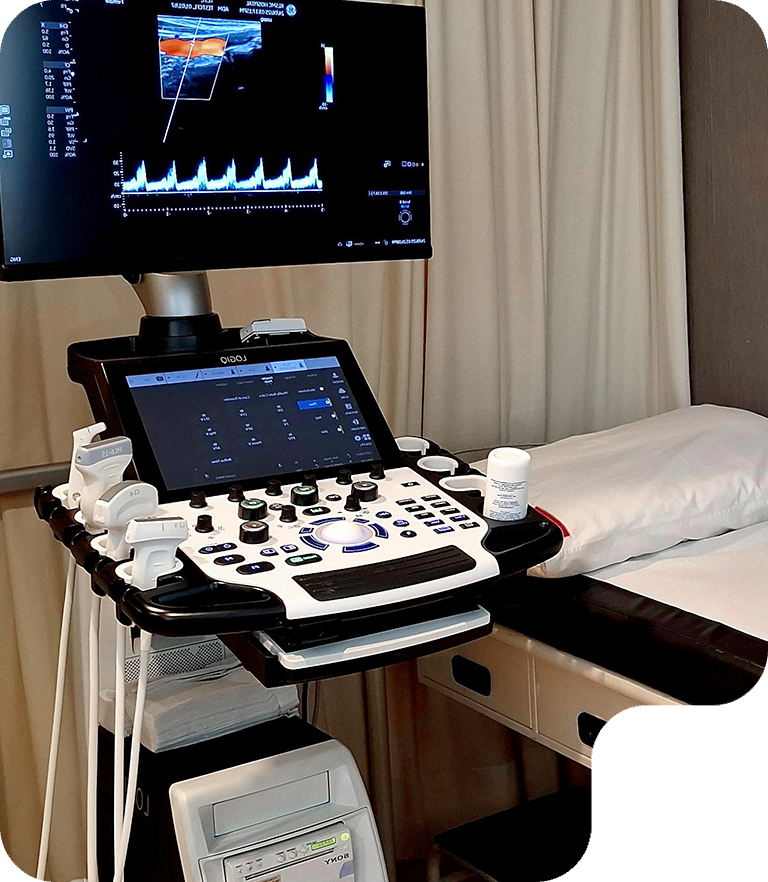
Ultrasound imaging uses sound waves to produce images of structures within the body. It is another radiation-free technique. In the realm of musculo-skeletal imaging, high resolution ultrasound is especially useful in the evaluation of muscles, tendons, joints and also nerves.
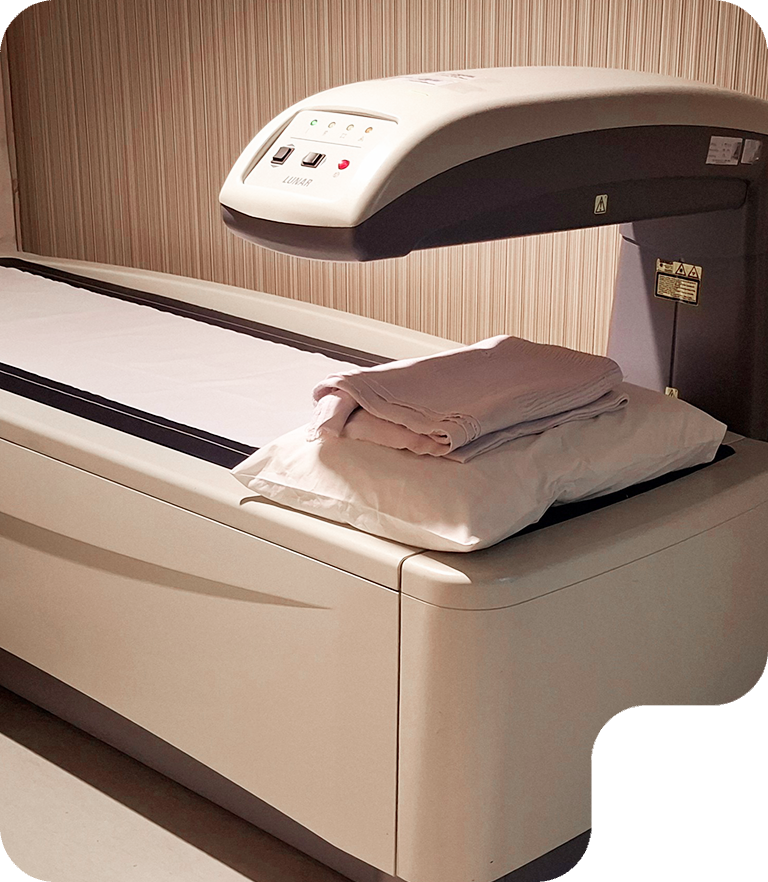
DEXA or Dual Energy X-ray Absorptiometry measures bone mineral density to assess bone strength and predict fracture risk. This painless procedure utilizes low dose X rays to diagnose osteoporosis and monitor treatment effectiveness.  

Radiology

Our Radiology Technology and Equipment

At KLSMC, we’ve invested in leading-edge radiology technology to ensure the highest standard of diagnostic accuracy while prioritizing patient safety and comfort:

Our high-field strength MRI provides exceptional image quality with reduced scan times, allowing for detailed visualization of even the smallest structures.

Produces instant, high-definition images that can be immediately reviewed and shared with referring physicians.

Provides precise bone density measurements with minimal radiation exposure.

All radiology equipment undergoes rigorous quality assurance testing and regular maintenance to ensure optimal performance and patient safety. Our staff receive continuous training on the latest imaging techniques to maximize the diagnostic value of each examination.

Our Radiology Specialists

Frequently Asked Questions

Radiology uses medical imaging to help doctors diagnose and monitor health conditions inside the body.
Patients go to radiology to get medical imaging tests that help doctors diagnose injuries, detect diseases, and monitor treatment or recovery.
Your doctor may refer you to a radiologist so imaging tests can be done to diagnose a condition, confirm a suspected problem, or monitor your treatment and recovery.
Radiology can detect many illnesses and conditions, including fractures and joint problems, muscle and ligament injuries, infections, tumours and cancers, lung and heart conditions, brain and spine disorders, abdominal organ diseases, and bone density loss such as osteoporosis.

At a radiology appointment, a trained imaging staff member will guide you through a medical imaging test such as an X-ray, Ultrasound, MRI, or DXA scan. You’ll be positioned comfortably, the scan will be performed safely and painlessly, and the images will be reviewed by a radiologist, who prepares a report for your referring doctor to discuss with you.

In general, most radiology examinations take between a few minutes to 30 minutes, depending on the type of imaging performed. The procedures are usually painless, non-invasive, and you can return to normal activities immediately after the scan.​

KLSMC is a specialist hospital based in Kuala Lumpur, Malaysia, with a strong focus on orthopaedics, regenerative treatments, and physiotherapy rehabilitation. Our dedicated team of medical professionals is committed to helping patients regain mobility and enhance their quality of life through personalised and evidence-informed care.